
Fabien Girardin on Curiosity as Resilience
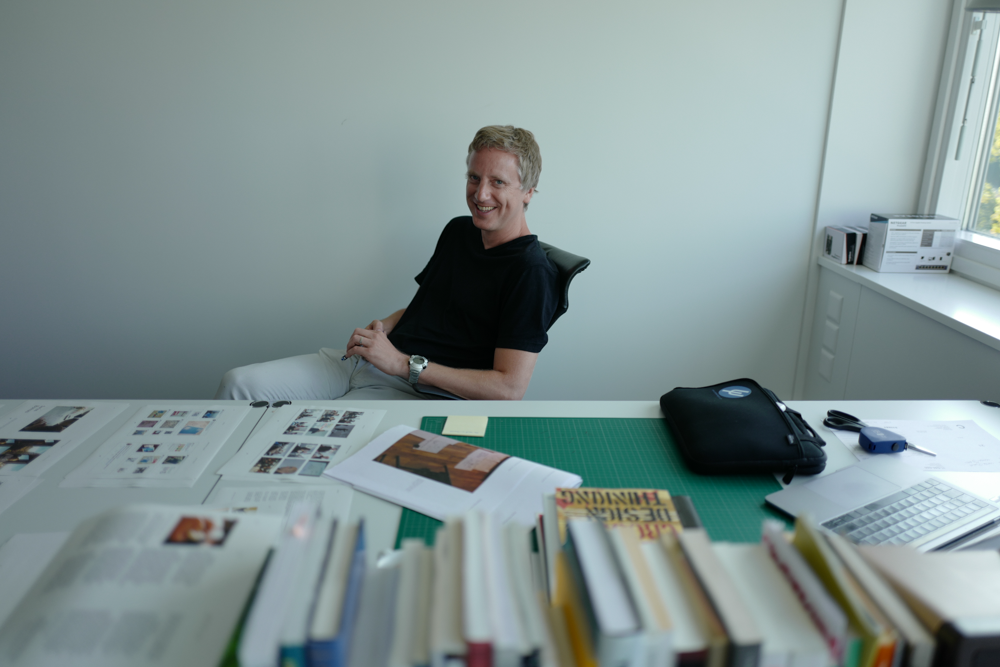
When we meet Fabien Girardin online, there’s an immediate sense of reconnection. Our paths first crossed in Barcelona more than a decade ago, when Fabien was part of the panel approving Nina’s PhD proposal. Now, as the sun pours into his space, casting an unseasonably bright glow, it feels fitting to pick up a conversation with someone who has consistently lived at the frontier of what’s emerging.
Fabien began his academic journey in computer science, pursuing engineering studies before a PhD in Human-Computer Interaction (HCI) in Barcelona. An invaluable year at MIT during his PhD exposed him to a research practice rooted in observing, prototyping, envisioning potential futures, and then working backward to understand what tools and capabilities are needed today. This multidisciplinary approach became his professional signature, blending rigorous engineering and research skills with the creative foresight typically associated with design. He collaborated with designers, architects, artists, social scientists, and physicists, always seeking to bridge disciplines. Later, with the Near Future Laboratory, he co-developed the “design fiction” approach, using speculative design to make future scenarios tangible and spark critical conversations. Today, he channels this blend of foresight and practicality into teaching master’s students in UX design about emerging technologies, while also consulting with clients to help them anticipate what might come next.
“The role of the designer is still, I think, widely misunderstood.”
Having spent years in rooms where designers sit alongside engineers, scientists, and strategists, Fabien shares an observation that still surprises him: designer's influence remains limited. “I've never felt like [designers have] a major impact at the decision-making table in my context,” he reflects. The cause, he believes, is a persistent lack of clarity about what designers actually bring. “The role of the designer is still, I think, widely misunderstood.” Yet he sees the rise of AI as an opening – a chance for design to claim a clearer position, not by defending old territory but by stepping into a role that is becoming more obviously essential.
Fabien observes that in the realm of digital tools, AI is fundamentally changing the calculus of software creation. The craft of how to build something, once central to both engineering and design, is being commodified and automated. “[In non-critical systems] the value of code has become almost null,” he contends, noting that machines can now guide much of the production process. This shift, for him, liberates designers to focus on the more critical question of what to build. It’s about articulating the intention, framing the problem, and shaping the strategic direction, which is a space where designers, he argues, naturally thrive.
Claiming that territory demands a rethinking of traditional design processes. Fabien openly challenges the ability of linear, deterministic models – such as the double diamond – to hold when applied to design with AI tools. AI systems are probabilistic, not deterministic, which means that following prescribed steps no longer guarantees the prescribed outcome. “There is no linear way. There is no process approach to understanding what you might create with that kind of emerging technology,” he explains. “The only way to know is to experiment. The only way to know is to do it. And when you get there, you know if this fits with your objectives or if you have to reframe them.” This calls for a profound flexibility, an embrace of ambiguity, and a willingness to question assumptions continually.
“The goal is not to understand how things work exactly, but how the technology behaves”
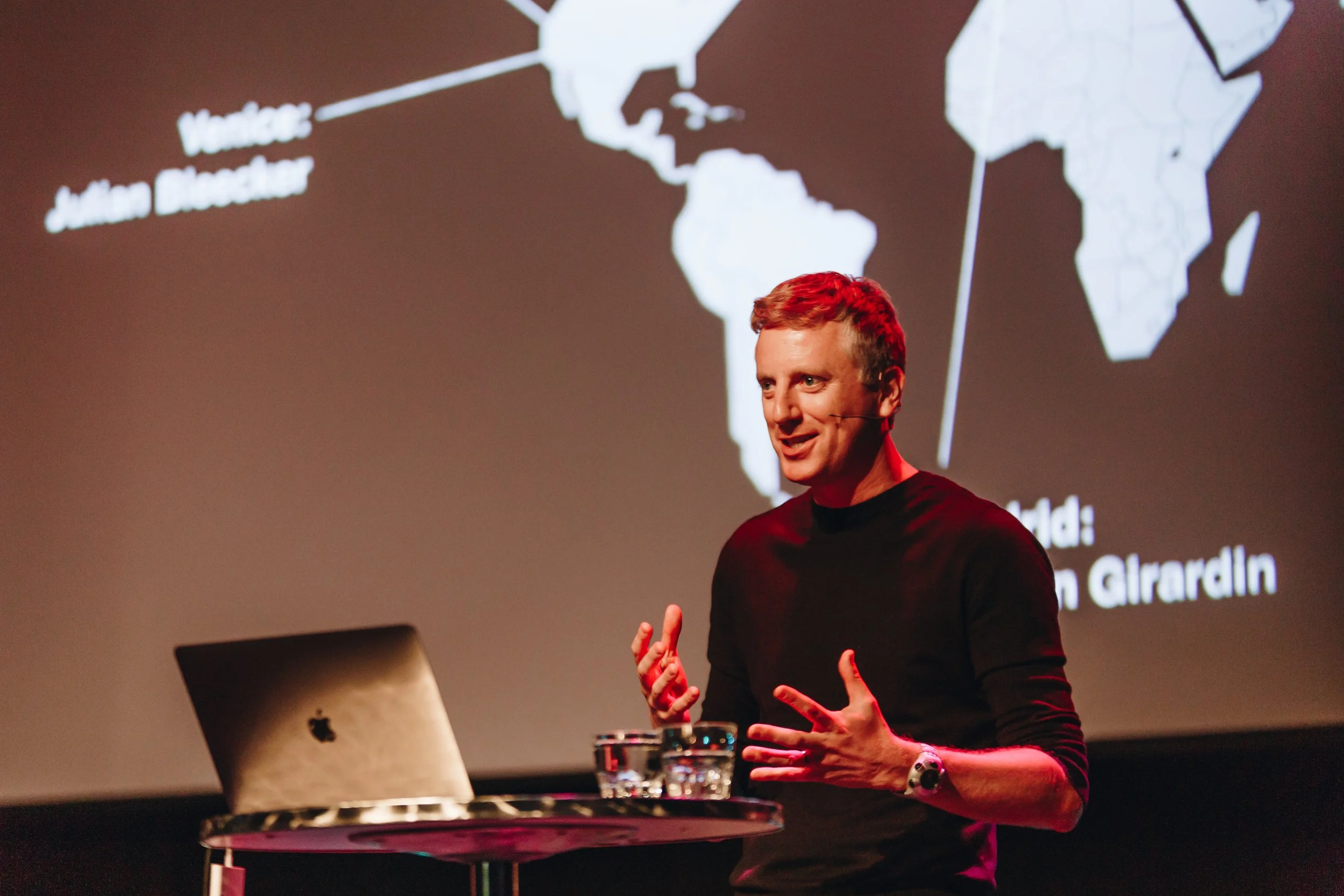
To navigate this new terrain, Fabien teaches his students three core ingredients: unlearning, curiosity, and "mechanical sympathy." Unlearning means letting go of rigid frameworks and dogmatic approaches. Curiosity drives continuous exploration of what these technologies can do. And mechanical sympathy means developing an intuitive feel for AI's capabilities and limitations through hands-on experimentation. "The goal is not to understand how things work exactly, but how the technology behaves," he explains. For his students, that means learning through experimentation where a system holds, where it fails, and what its boundaries are.
For Fabien, AI is not a threat but a liberating force. He points out that current AI tools are only a couple of years old, meaning everyone, including young designers, starts on a relatively level playing field. This moment, he suggests, is ripe for breaking traditional moulds and forging new practices. He sees particular empowerment for more senior designers, who can now produce things that previously required extensive teams or specialised technical skills. "I go back into creating again," he shares, "because the last five to ten years it was more complex, technology was moving and frameworks were always changing… now there is an additional layer of abstraction based on natural language that does part of the job."
“Design comes a lot with doubt and nuance… people, organisations need conviction.”
Yet even as these tools open new possibilities, a familiar question persists: if designers are so uniquely positioned to define the 'what' and drive strategic vision, why does the profession still struggle to articulate its long-term value? Fabien offers a compelling, albeit humbling, hypothesis. "Design comes a lot with doubt and nuance," he reflects. "People, organisations need conviction." Designers, much like academics or data scientists, thrive in spaces where questioning and refining are valued. But in corporate environments, this nuanced approach can be perceived as indecisive, even negative. Designers, he suggests, must learn to "change the hat sometimes," balancing their natural inclination for doubt with the ability to articulate compelling visions that rally conviction.
In a world that often feels dominated by an overwhelming speed of change, amplified by social media and technological advancements, Fabien advocates for a more grounded perspective. "Some of the speed is artificial," he clarifies. Not everything moves as fast as we are led to believe. He refers to the concept of pace layering – the idea that different parts of a system move at different speeds, from fashion to government to nature – to offer a more nuanced way of reflecting on change. This reflection creates a healthy vantage point, one that allows for a calmer, more strategic approach to navigating seemingly continuous disruption, though Fabien acknowledges that this kind of distance often comes with experience, and is not easily taught.
“Curiosity is the key to feeling comfortable with change. Not just for designers, but for everybody.”
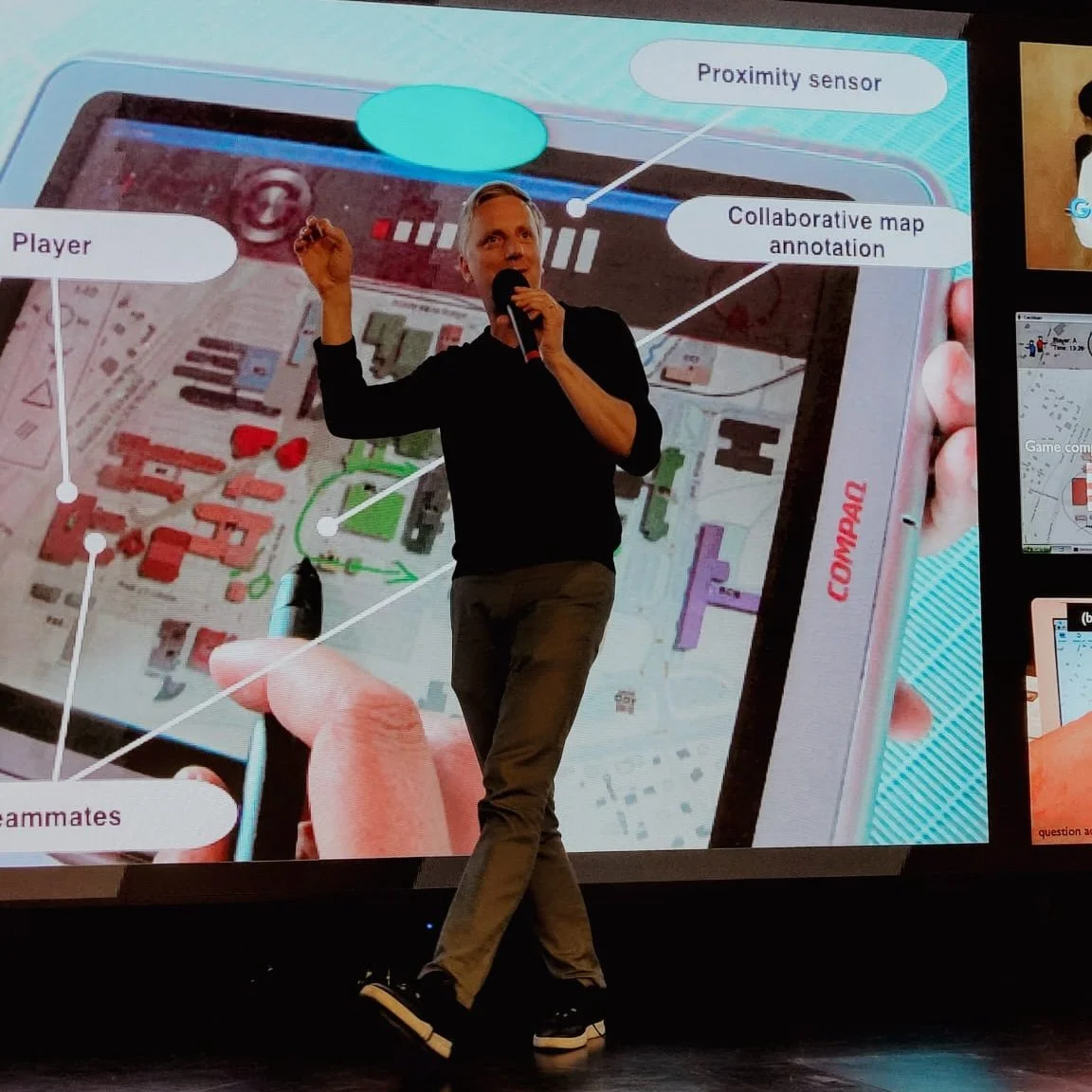
Asked to name the competencies that will define designers in the years ahead, Fabien lands on creativity, taste, critical judgement, and curiosity. Taste, he admits, is hard to define, "I know that I don't have it, but I know that other people have it, and I know that machines don't have it." But it is curiosity that he champions as the key to resilience. "Curiosity is the key to feeling comfortable with change," he says. "Not just for designers, but for everybody." In a landscape defined by uncertainty, the willingness to stay curious and learn may be the only reliable path forward.
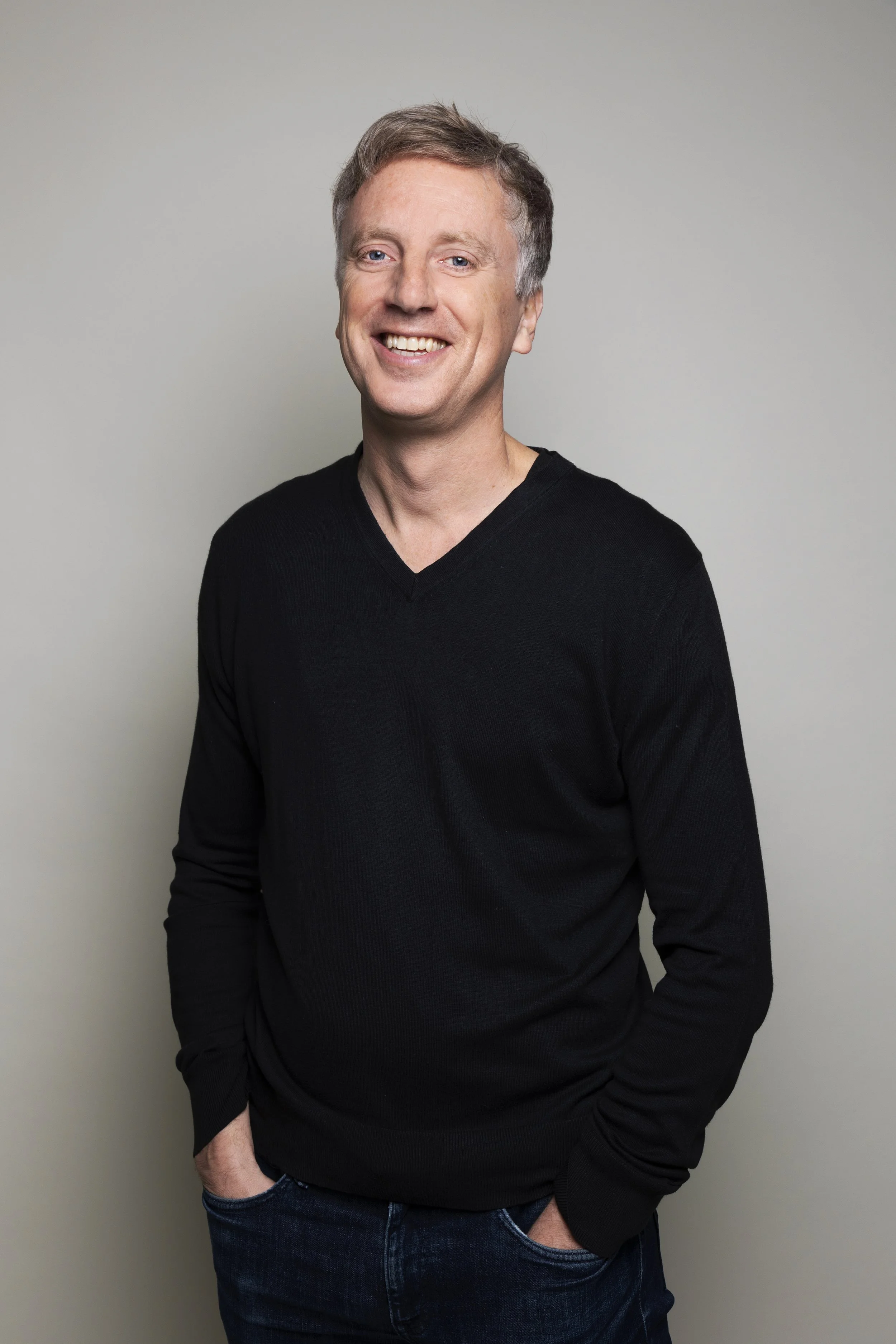
Fabien Girardin (Dipl.-Ing. Ph.D.) is a multidisciplinary technologist active at the interface between people and intelligent systems. With a Ph.D. in Computer Science and extensive experience in academia and industry, Fabien has been collaborating with organizations to discover "what might come next" just beyond the core of their activities. Clients seek his expertise in emerging technologies, prioritizing a people-first mindset. His approach is multidisciplinary, refined over 15 years of experiments from the Massachusetts Institute of Technology (MIT) to the Near Future Laboratory. Together with a network of accomplices, he mixes creativity and imagination with logic, structure and engineering skills. Fabien is best known as a pioneer in futures design through the development of design fiction. He co-authored The Manual of Design Fiction, a guide to that practice, its origins, its utility and its impact.
